Context
Venue geometry and workflow precede model selection.

ABOUT THE BRAND
A professional audio product is not isolated hardware. Enclosure behavior, driver geometry, amplification, processing, rigging and the venue all shape what reaches the listener.
This site therefore presents RCF categories through specification and verification workflows. It does not substitute for the current datasheet, installation manual, prediction file or jurisdiction-specific approval for an exact model.
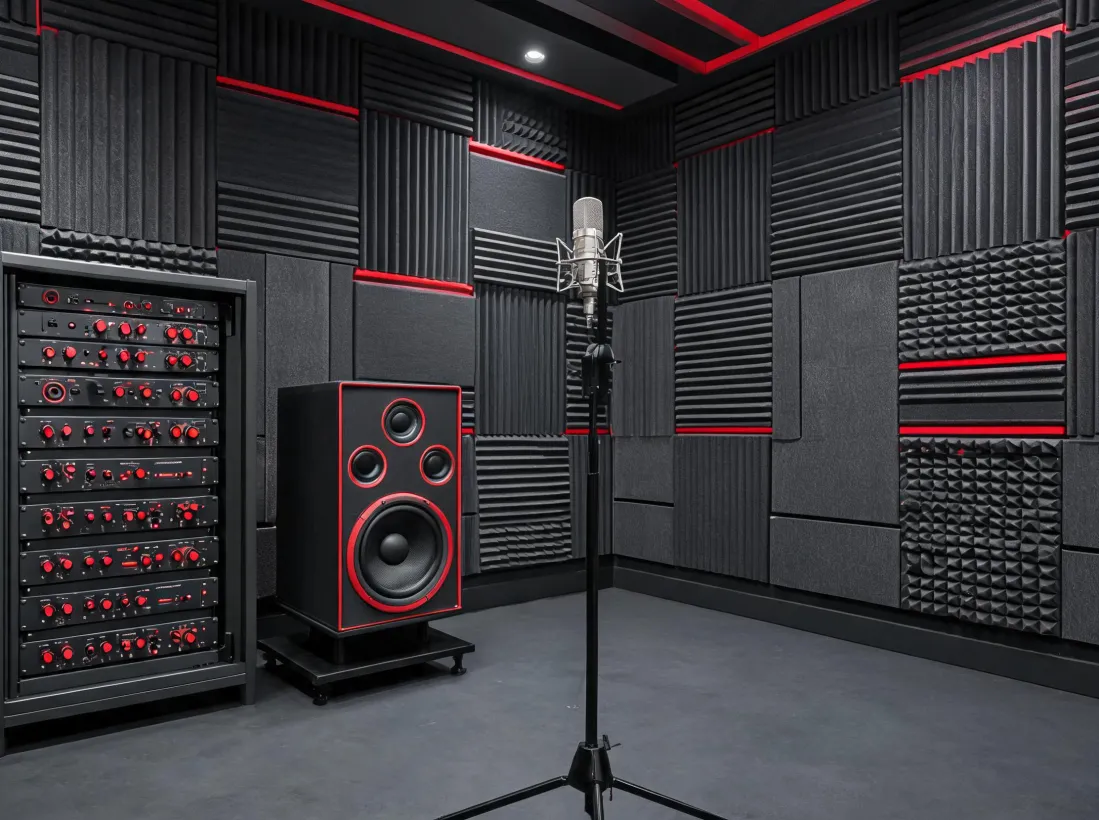
A SYSTEM VIEW
The useful unit of design is the signal path: source, routing, processing, amplification, loudspeaker, mounting position and listener. A change at any point can alter headroom, coverage or serviceability. That is why a model name alone cannot answer whether a system fits a theatre balcony, a touring stage or a distributed corporate space.
Selection begins with measurable inputs. Horizontal and vertical audience boundaries describe where acoustic energy must go. Program type and operating duration frame the required headroom. Nominal impedance, mains distribution and thermal environment affect the power path. Working load limits, approved accessories and structural attachments constrain suspension. Finally, commissioning confirms whether prediction and the installed result agree at representative positions.
Boundaries matter. Maximum SPL figures depend on method and bandwidth; frequency response depends on tolerance and setup; weather exposure depends on the exact enclosure and installation; and standard pro-audio products cannot be assumed to meet life-safety requirements. The current published documentation remains the authority for each SKU.
Venue geometry and workflow precede model selection.
Power, processing, connectors and mechanics are reviewed together.
Test conditions travel with every reported result.
Approved presets and handover notes survive staff changes.
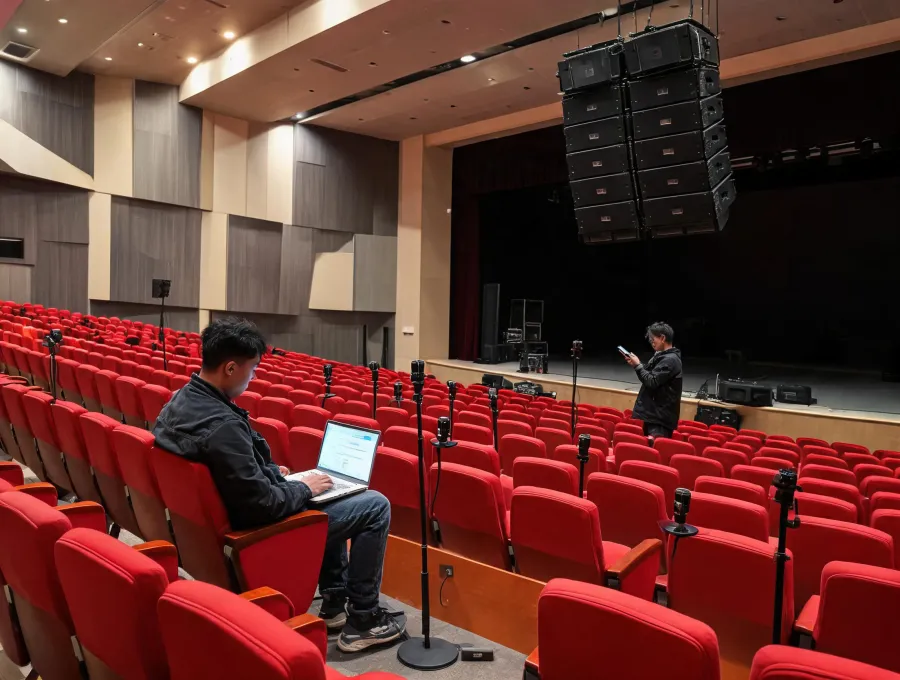
PRACTICE IN THE FIELD
A technically sound design can still fail operationally when routing is undocumented, gain controls are ambiguous or replacement settings are unavailable. The handover package should name the approved operating level, signal priorities, locked parameters, power-up sequence and recovery state. It should also identify conditions that require inspection: repeated limiter activity, thermal shutdown, intermittent connectors, unusual driver noise or a change to the suspended load.
Measurement records are most useful when another technician can reproduce them. Store microphone position, source signal, bandwidth, weighting, environmental notes and the exact DSP state beside each result. Repeat at front, middle and remote audience zones rather than optimizing a single seat.
CONTINUE WITH A REAL PROJECT
Provide drawings, audience limits, mounting options, expected program, source count and operational constraints. Questions that remain unknown can be recorded as validation tasks instead of being hidden behind a premature product choice.